
zostaw wiadomość
Jeśli jesteś zainteresowany naszymi produktami i chcesz poznać więcej szczegółów, zostaw wiadomość tutaj, odpowiemy tak szybko, jak to możliwe.


Low winter temperatures bring severe safety risks to chemical tank farms. Hazardous media such as liquid alkali, liquid ammonia and benzene are highly temperature-sensitive. Traditional passive insulation only slows down heat loss and cannot prevent medium crystallization, pipe blockage or tank cracking. Low temperature may cause increased viscosity, solidification and pipeline freezing, leading to production shutdown, medium leakage, fire hazards, environmental pollution and safety accidents.
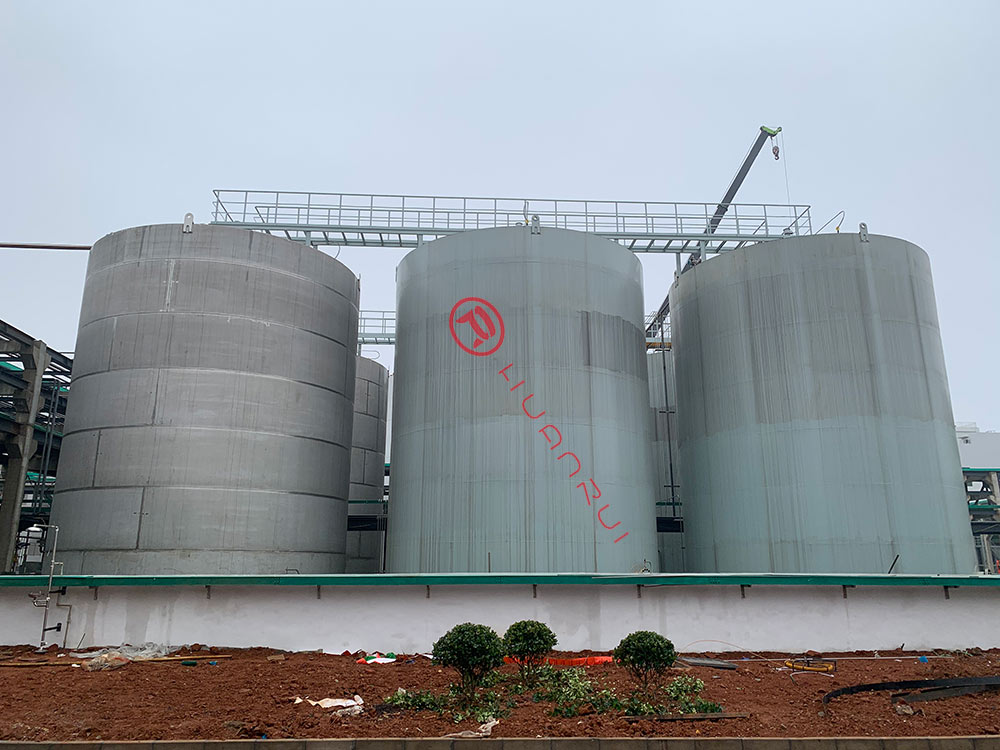
1. Prevent pipeline blockage and ensure continuous production
Chemical media tend to crystallize and lose fluidity in cold weather, causing pump idling, valve jamming and pipeline blockage. Electric heat tracing actively compensates heat loss and maintains stable medium fluidity for continuous operation.
2. Avoid tank cracking and safety environmental hazards
Frozen medium expands and generates huge internal pressure, which may crack tank walls, welds and flanges, resulting in leakage of flammable, toxic and corrosive substances. Heat tracing also protects fire sprinkler and emergency drainage pipes to ensure emergency systems remain functional in winter.
3. Meet precise narrow-range process temperature requirements
Chemical materials require strict temperature control. For liquid alkali, the safe temperature range is 30℃–38℃. Below 30℃, crystallization occurs; above 55℃, carbon steel corrosion accelerates. Electric heat tracing provides accurate and dynamic temperature stabilization that passive insulation cannot achieve.
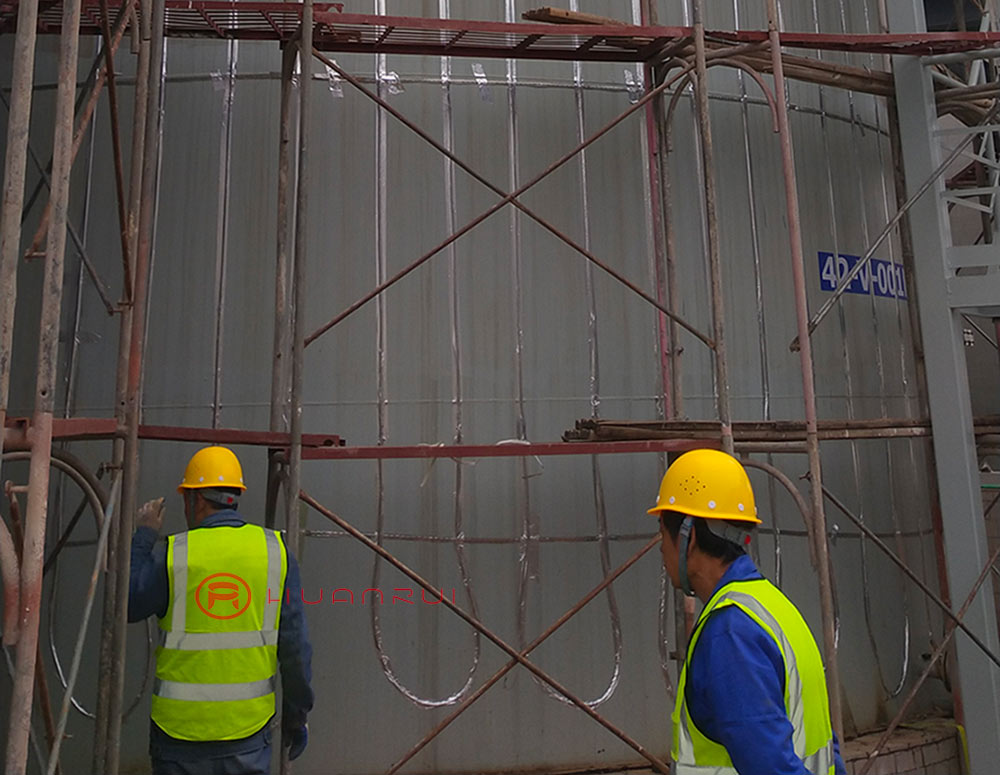
4. Core advantages of heat tracing for chemical tank farms
Electric heat tracing is energy-saving, maintenance-friendly and explosion-proof certified for hazardous chemical areas. It supports intelligent remote monitoring, real-time temperature feedback and fault alarm, reducing maintenance costs and avoiding unplanned shutdown losses.
Conclusion
Chemical tank farm freeze protection cannot rely solely on traditional passive insulation. As an active intelligent thermal solution, electric heat-tracing effectively eliminates medium blockage, crystallization and tank cracking leakage, delivers precise narrow-range temperature control for chemical processes, and balances production continuity, personnel and equipment safety, as well as environmental compliance. It is the mainstream reliable solution for winter freeze protection in petrochemical and chemical tank farms.
 Obsługiwana sieć IPv6





zostaw wiadomość
Zeskanuj do Wechata :
Zeskanuj do WhatsApp :